THE OLDEST BELGRADE FAMILY CAME TO THE SERBIAN CAPITAL 400 YEARS AGO FROM SPANISH TOLEDO
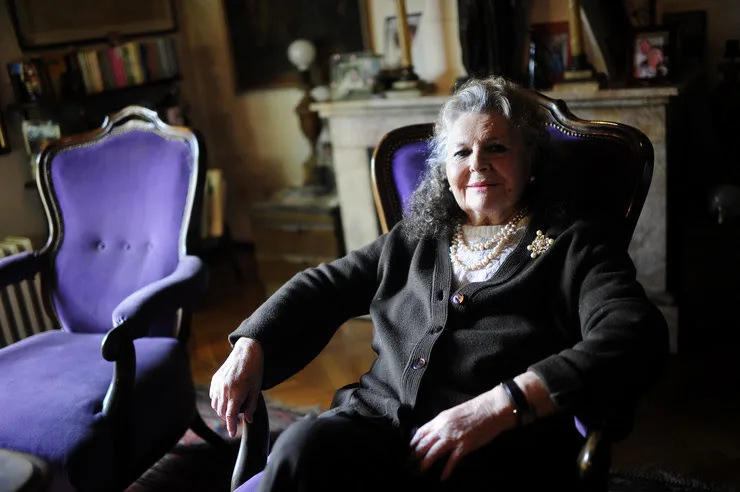
What is the oldest family in Belgrade? If historians are to be believed, there is no dilemma - it is the Kalef family, which has been residing in this area for over four centuries!- During one visit, I went to Toledo in Spain and accidentally learned part of my family's history there. The guide mentioned the Kalef family in his story. I later found out that part of my family were among the founders of Toledo and that they came to Belgrade from Spain. There is a sarcophagus of Eva Kalef from 1800, as Jewish culture is more oral than written – said opera diva Breda Kalef (88) for "Blic". Then followed an unusual life story about a happy childhood interrupted by war, but also a struggle for survival that overcomes fear. - The Germans shot 25 members of my family in 1941, including my grandmother and father. My sister and I escaped death multiple times. They took our houses, our land... But since I lost everything, material things mean nothing to me, and I try to always be optimistic. Born as Rahel Kalef, affectionately called Ela, she grew up carefree in Dorćol. Regularly, she and her sister Matilda would go with friends to Kalemegdan, to the Zoo, play "school" on the street... The most beautiful part of their lives was interrupted by war and pogrom. - All the men in my family were taken as hostages to clear the city after the bombing. When one German was killed, they lined up all the Jews, and every second one was shot. Every second man in that line was from my family. Grandmother Mazal and father Avram were taken from the Jewish hospital and suffocated in gas trucks, or gas vans – Breda Kalef recounts. They confiscated their houses, apartments, land... Breda was 10, and Matilda was 11 at the time. To save them, their mother took them to a monastery in Čukarica to Father Andrej Tumpej, who provided them with false documents, so Rahel became Breda Ograjnešek, and Matilda – Lidija, thus saving their lives. She worked in the fields in villages near Belgrade to bring them "a little corn and milk".- I went with my mom to Topčider, falling into the snow to remove all the branches from the trees so we had something to burn. I picked nettles, sneaked out of the house at night, climbed onto wagons, and stole coal while the German guard was there. In the morning, I walked to the tailor's trade along the tracks to earn some money, and then to school. As a child, I was very sick. I don't know how many times I had pneumonia; in the summer, I had to wear knee socks and carry an umbrella, and during the occupation, when I was hungry, naked, and barefoot, I didn't even sneeze. That struggle for survival, the animal instinct, overcomes all fears – Breda recounts, adding that even during the Allied bombing, she escaped death when "carpet bombs" were dropped on the shelter from which she and her sister ran out just seconds before.
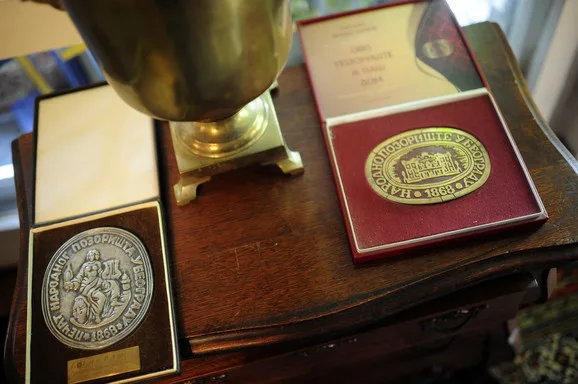
After the war, the girls had their surname "returned," but Rahel, in gratitude to the priest, remained Breda. The harshness of war, Breda recalls, did not manage to extinguish her love for singing. The priest, to divert the children's thoughts from destruction, set up a table for table tennis, and Breda later became the champion of Serbia in table tennis. Tumpej formed a tamburitza orchestra in which she played, she sang in the choir, and people said she had an angelic voice. This motivated her to later finish the Music Academy and become a member of the National Theatre. - As long as I can remember, I have been singing. My sister also had a beautiful voice, but when guests came, she would hide under the table, while I would say to put me on the table to sing – our interlocutor recounts with a laugh. To preserve her voice, she did not go on winter vacations, and only after retiring in 1993 did she start visiting cities where she had previously sung. Today, she says she only sings when someone from her Foundation for mezzo-sopranos asks her for help. After everything, her advice is that optimism and hope are the most important.- Rejoice in the chirping of birds, when the flower blooms, in little things... When I felt like crying, I sang. Don't look at life from the dark side, but try to change it – concludes Breda Kalef.DAUGHTERS AND GRANDCHILDRENBreda's husband, architect Branislav Simonović, passed away 10 years ago. Daughter Simonida, a former journalist for "Politika," lives with her husband, daughter, and son in Toronto and is an advisor in the Canadian government. Lidija's daughter, married to actor Aljoša Vučković, has a daughter and a granddaughter. Breda now lives alone in Vračar and occasionally visits her daughter in Canada.OTHERS WITHOUT PROPERTY
Grandmother Mazal was, says Breda, the first woman trader in the Balkans. The first manufacturing shop Kalefs opened in Višnjička Street in 1903, then in Vasina, Kralja Petra, Kolarac... They had plots near the "Sava Center" and "Arena." First, she says, "the Germans confiscated all of that, then the partisans, and finally the democrats." Nothing was returned. She says that old Belgrade is dying, while "new is being made into kitsch."