

Yom Kippur is a Jewish holiday, also known as the Day of Atonement. It is observed on the tenth day of the month of Tishrei and is spent in prayer, fasting, and introspective rituals.
The fast lasts for 25 hours and involves abstaining from food, drink, and physical pleasures, the use of cosmetics and perfumes, and even wearing leather clothing. This abstinence symbolizes spiritual liberation and dedication to inner growth. Fasting is not just a physical denial, but an opportunity to reflect on one’s actions, mistakes, and the path to personal and moral development.
The period between Rosh Hashanah and Yom Kippur is called Yamim Noraim, or the “Days of Awe.” According to belief, these are days of introspective judgment, when the good deeds, merits, and sins of each individual are recorded. On the tenth day of the month of Tishrei, the record in the Book of Life is symbolically “sealed,” representing an opportunity to begin the new year with a pure spirit and renewed hope.
The prayer recited for Yom Kippur is called Kol Nidre. Repentance is expressed through prayers, voluntary donations to help others, and sincere personal atonement. These rituals symbolize the renewal of the bond with God and the community, as well as the aspiration for ethical and spiritual growth.
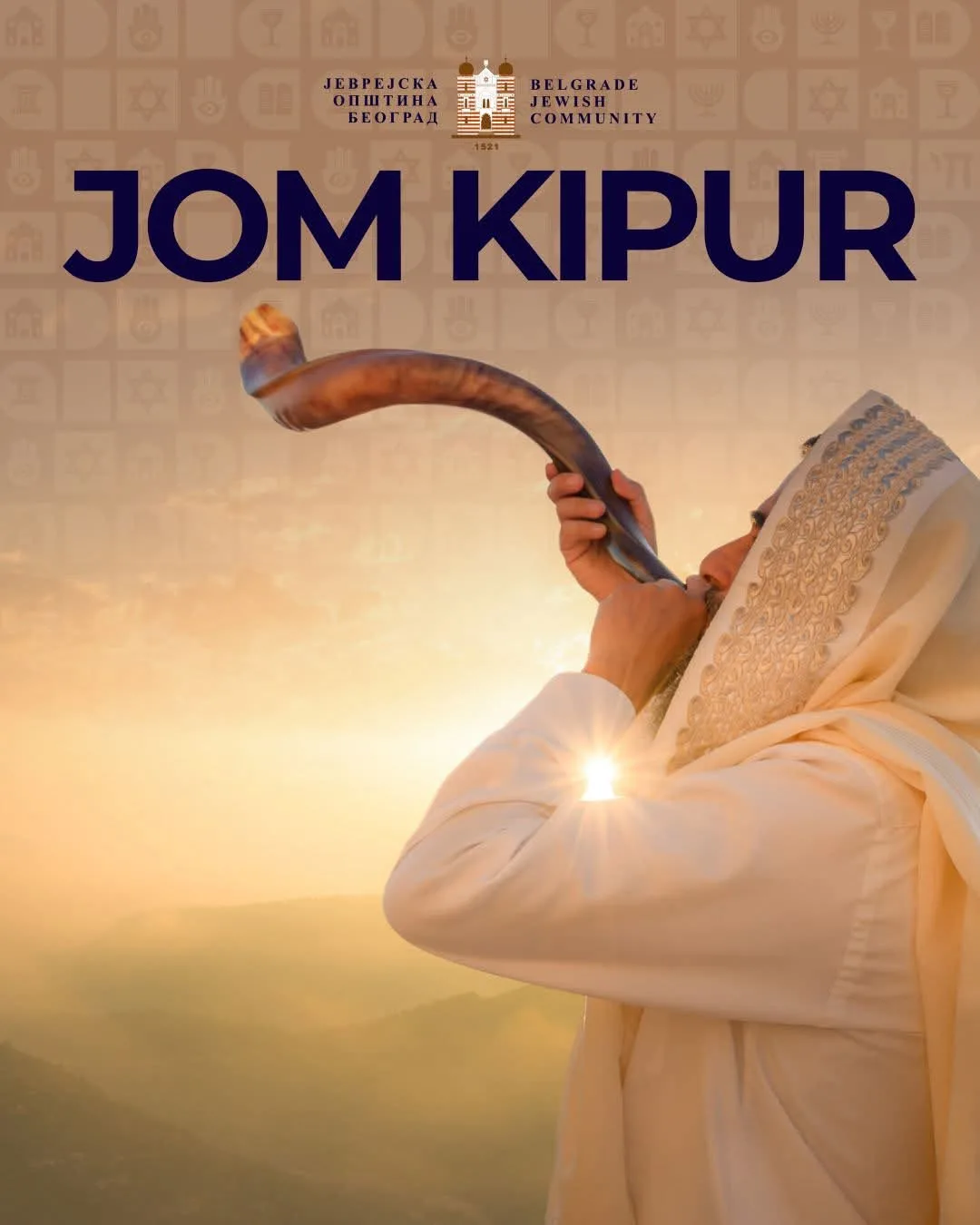
The holiday concludes with the blowing of the shofar, which symbolizes the closing of the books of life and death and the beginning of a new annual cycle. It is a moment of hope and commitment that the new year will bring peace, health, and success, both to the individual and to the community.