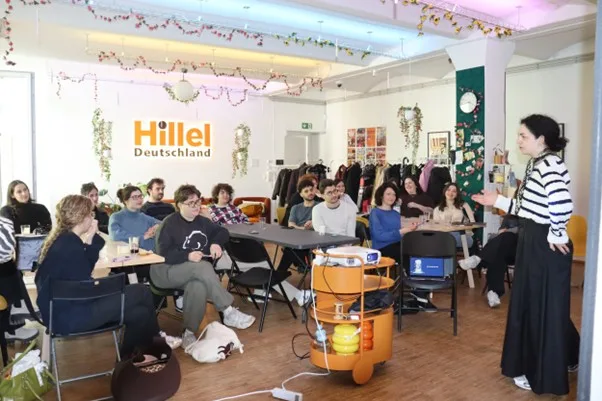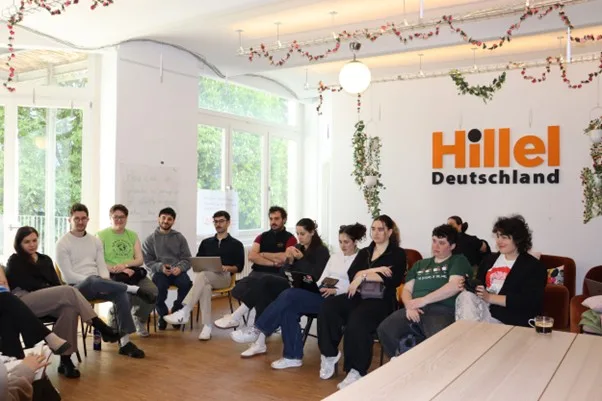


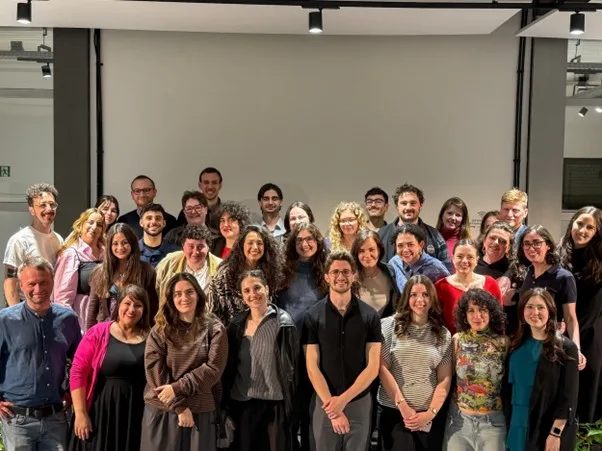
Sara Barac, a member of the Jewish Community of Belgrade, participated in the seminar “EUJS Micro-Grants: Embracing Jewish Diversity 2025/2026”, dedicated to presenting and exchanging projects from Jewish communities across Europe. The seminar brought together participants who presented their initiatives, followed by open discussions, questions and an exchange of experiences, contributing to a better understanding of different approaches and strengthening connections among participants.
During the programme, participants had the opportunity to learn about numerous inspiring and socially significant projects. Particularly noteworthy were the initiatives of Keshet Europe, aimed at creating a safe and inclusive space for queer LGBT+ people within Jewish communities, as well as a café space project designed to provide a place for informal gatherings and community building.
During the seminar, Sara Barac presented the “HerShabbat” project — a four-day programme for women in a natural setting outside the city. Through activities such as yoga, connecting with others and sharing experiences, the programme provides opportunities for empowerment and exploration of Jewish identity. The project received exceptionally positive feedback, and participants expressed great interest in taking part in the future. The seminar organisers also showed their willingness to support the project through organisational assistance, potential grants and personal participation.
The presentation also included a booklet introducing the “HerShabbat” project, which made a strong impression through its visual identity and content, bringing together the project's idea, values and concept into a cohesive whole.
The seminar also provided opportunities to connect with participants from different countries and gain a broader understanding of how Jewish communities across Europe operate. Comparisons with larger communities, particularly in London, highlighted differences in educational and religious opportunities, as well as the importance of mutual support within smaller communities.
The atmosphere throughout the seminar was open, supportive and encouraging. The feeling that opinions were valued and carefully heard helped strengthen confidence and freedom of expression. Listening to the experiences of other participants was equally valuable, further enriching the overall experience.
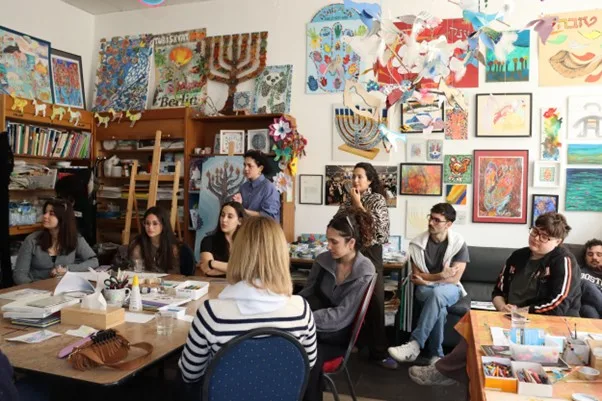
As part of the programme, participants visited the Kunstatelier Omanut cultural centre, where they learned about the work of artists with disabilities who create artworks and wooden objects. The story shared by the centre's founders made a strong emotional impression and conveyed an important message about the significance of inclusion and acceptance.
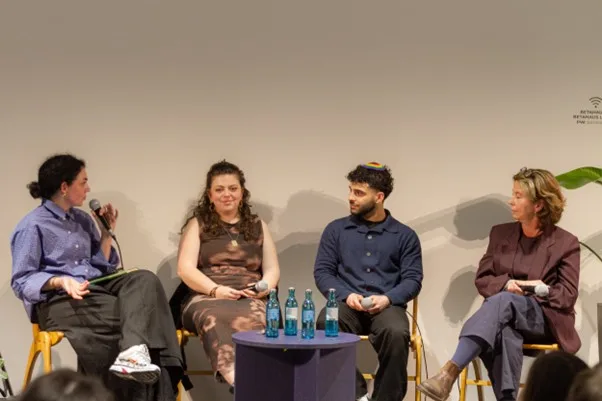
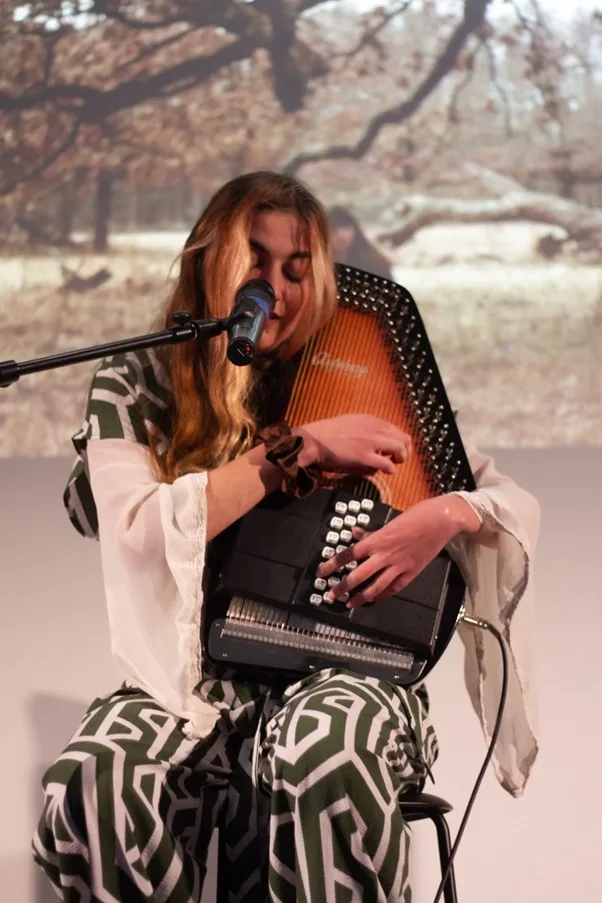
The final part of the seminar featured a musical performance by artist Masha The Richman, whose songs, inspired by personal experiences, made a strong emotional impact. During the panel discussion preceding the performance, the importance of being able to express one's identity freely, without fear of discrimination, was emphasised, bringing the seminar's key themes together.